

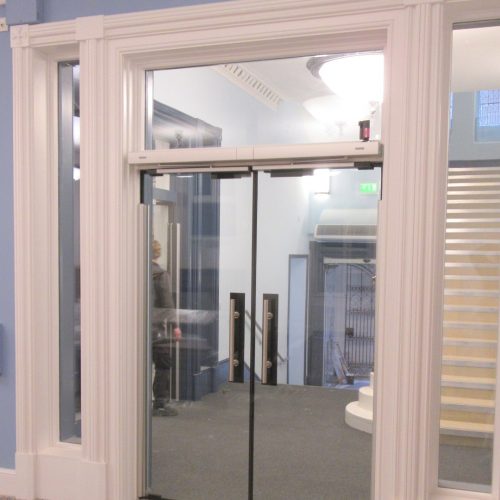
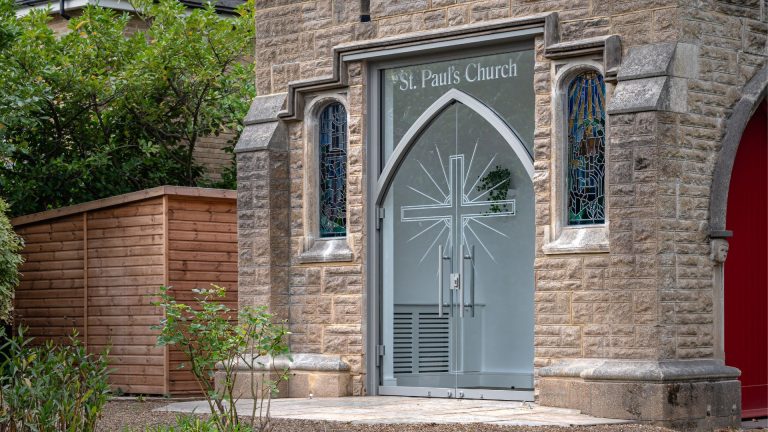

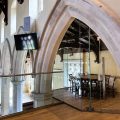
Structural glass for church re-ordering
“I am really pleased with everything Ion Glass has achieved – Ion has been involved since 2015 – that’s over a decade! I appreciate the tweaks on the design to make everything work and the guys on site were easy to work with and very efficient”
Conservation Specialist and Architect Alexandros Michalitsianos of Archangel Ltd:
“Thank you very much for Ion’s hard work on this project, from the very beginning of our discussions all these years ago up to the final design, installation discussions and finished products, it has been a pleasure working with Ion Glass. I am very pleased with the final result, the church looks fabulous and exactly as we had envisioned it!”

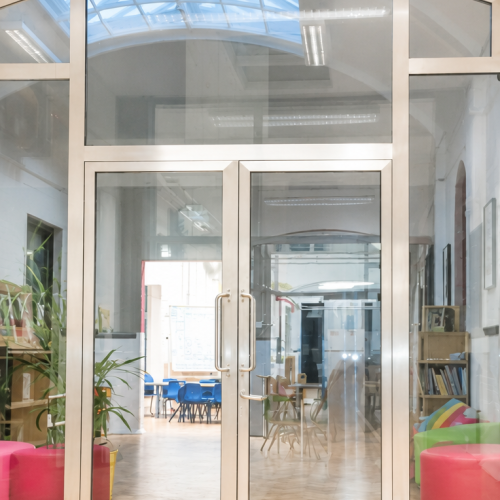
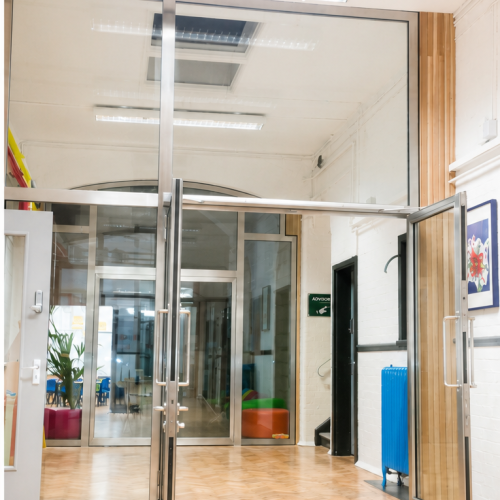
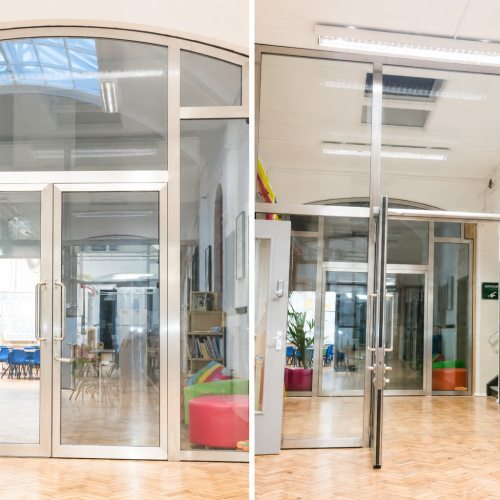
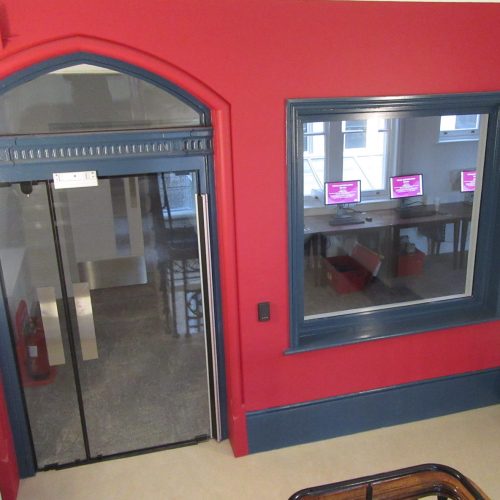
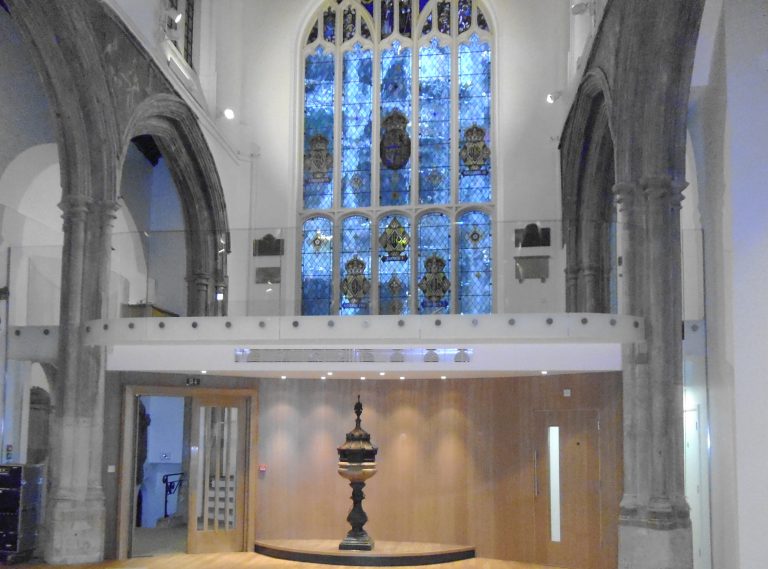
Structural Glass Meeting Room
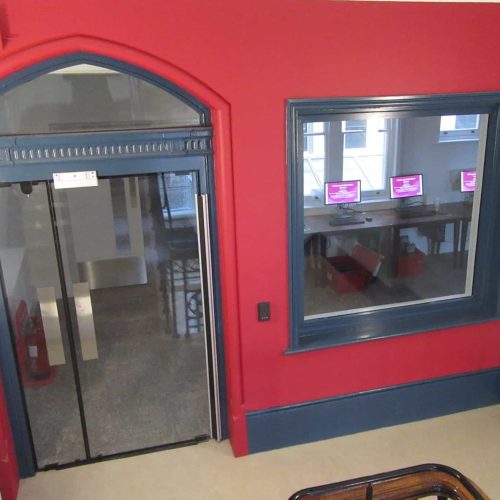
“The response to the new glass meeting rooms at St Mary’s at the Quay has been exceptionally positive. Staff working in the newly opened venue commented in particular about how the acoustic glass effectively negated the noise impact of the busy road adjacent to the church whilst still enjoying the natural light through the original arched glass windows.”

External Glass Staircase & Balustrades
“Even with the added challenge of the distance involved, the entire project ran smoothly from start to finish. There wasn’t any chance to double-check measurements or return for forgotten items, so everything—from the individual glass panels and bespoke metalwork to the smallest fittings—had to be perfectly planned and executed.
The result is outstanding. The new external glass staircase has completely transformed access to our garden dining area, and the architectural glass throughout the house has elevated our enjoyment of this beautiful Provençal home even more.
All the installations look fantastic, and the Ion team were terrific as always. It was a big ask to get them down here, but everything worked out brilliantly.”
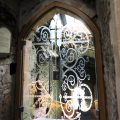
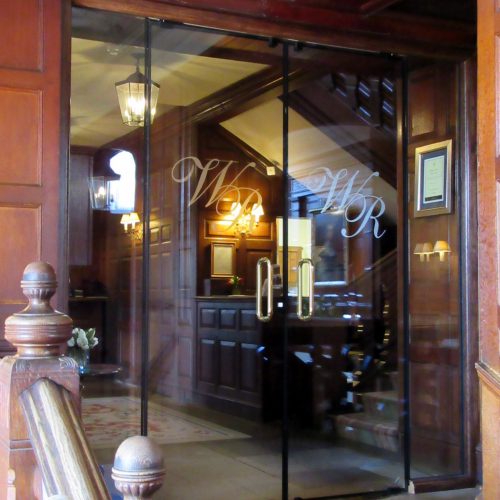
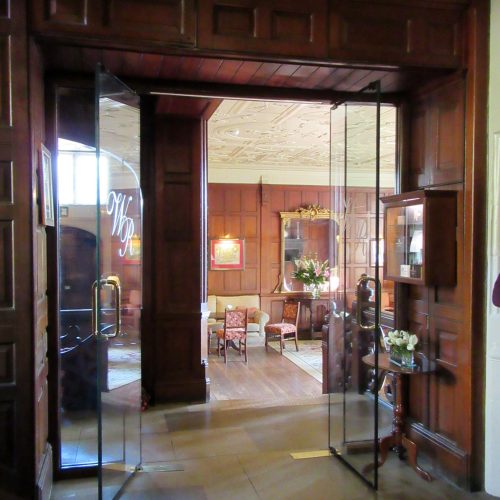
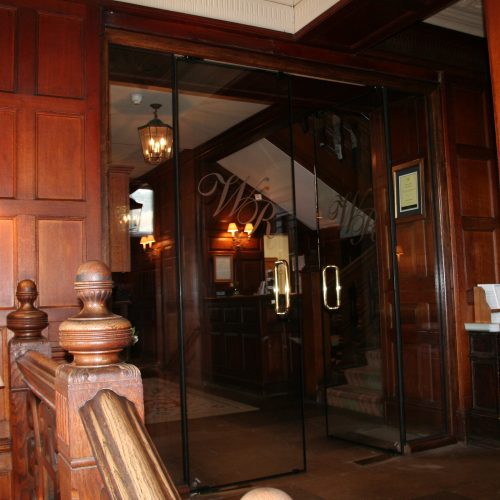
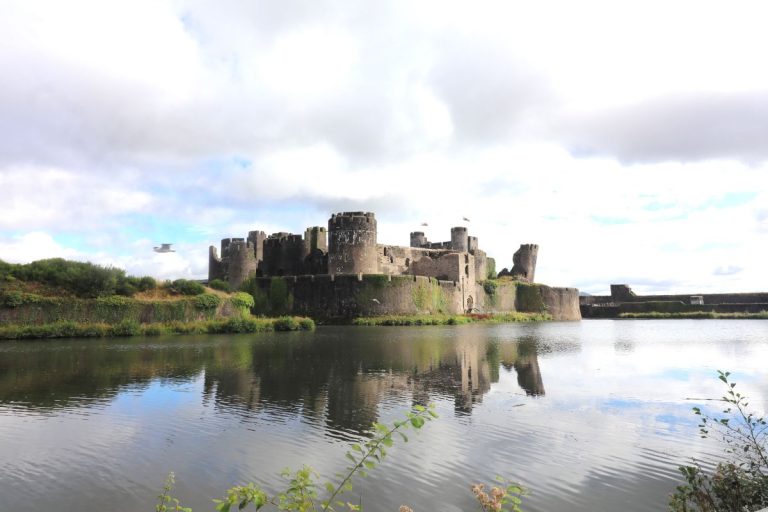
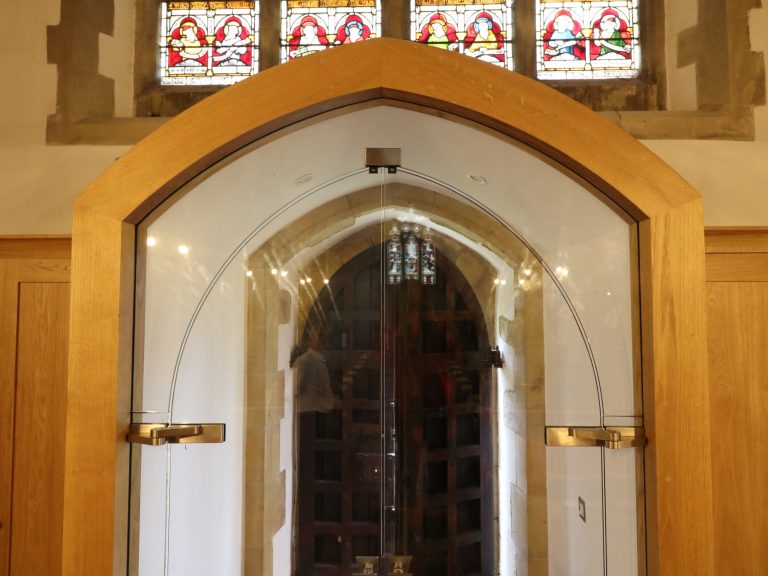
Custom Designed Glass Doors
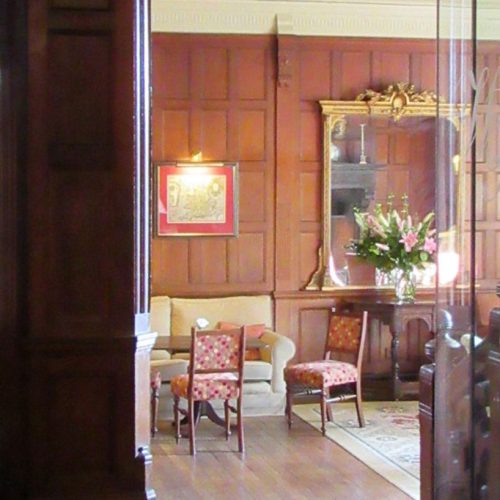
“A beautiful renovation that has significantly transformed the Great Hall at Caerphilly Castle, fully equipping the space both as a visitor attraction and as a venue for events. Use of structural glass doors meets 21st century functionality without obscuring or detracting from the grandeur of the Hall”
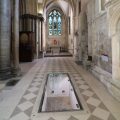
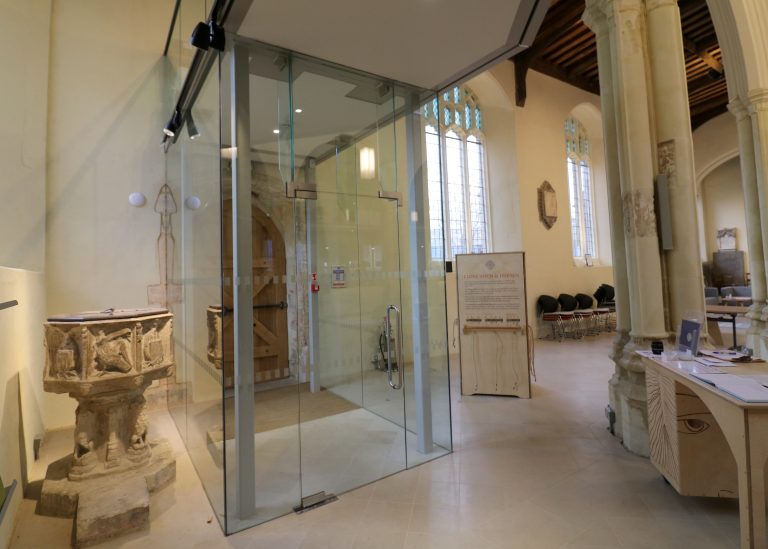
Walk on Glass Floor
“The glass floor panel is functional and practical, opening up the space so visitors can enjoy visual access to the Roman mosaics without restricting their passage along the South Aisle. This was an unusual and challenging job: Ion created fully bespoke steel frames to hold the glass panel whilst ensuring adequate air flow and ease of access to the ancient site.”
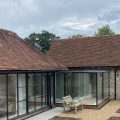
Fully Frameless Glass Linkway
“The design and execution of the glass linkway has created an impressive result that is both functional and visually striking as a key element of this luxury barn conversion. We were delighted Ion Glass were able to adapt and change the original brief to fully meet our vision for this stylish glass corridor and linkway.”

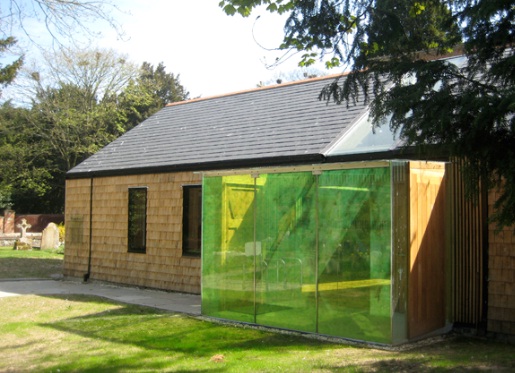
Sloping Glazed Link
“The extensive use of glass has completely transformed our new building — it fills the space with light and creates a wonderful sense of openness and connection between the church and the community outside. The craftsmanship and attention to detail are exceptional, and the result is both beautiful and functional. It’s no surprise the project was recognised as ‘Development Project of the Year’ at the Greater Lincolnshire Construction and Property Awards 2023. We’re thrilled with how it has enhanced parish life in Manthorpe”

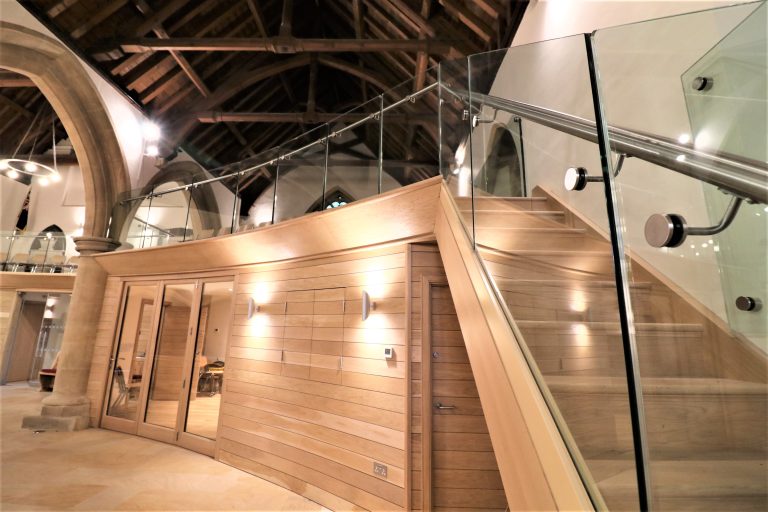
Frameless curved glass balustrade
“We were delighted with the glass installation at the Tower. You and your team have done an excellent job with a tricky installation and difficult location. The curved glass balustrade is stunning and the mezzanine floor is a huge focal point for the tower now.”

Curved Frameless Glass Balustrade
“We are very pleased with the glass installation, you and your team have done an excellent job on this complex installation.. The glass balustrades are stunning – exactly what we hoped for and more”

Structural Frameless Glass Greenhouse
“The finished result is a wholly unique frameless glass structure that is an impressive testament to the skill of Ion’s design technicians and installation teams. Its contemporary glass styling provides a focal point for the garden significantly exceeding the standards generally expected for a greenhouse.”
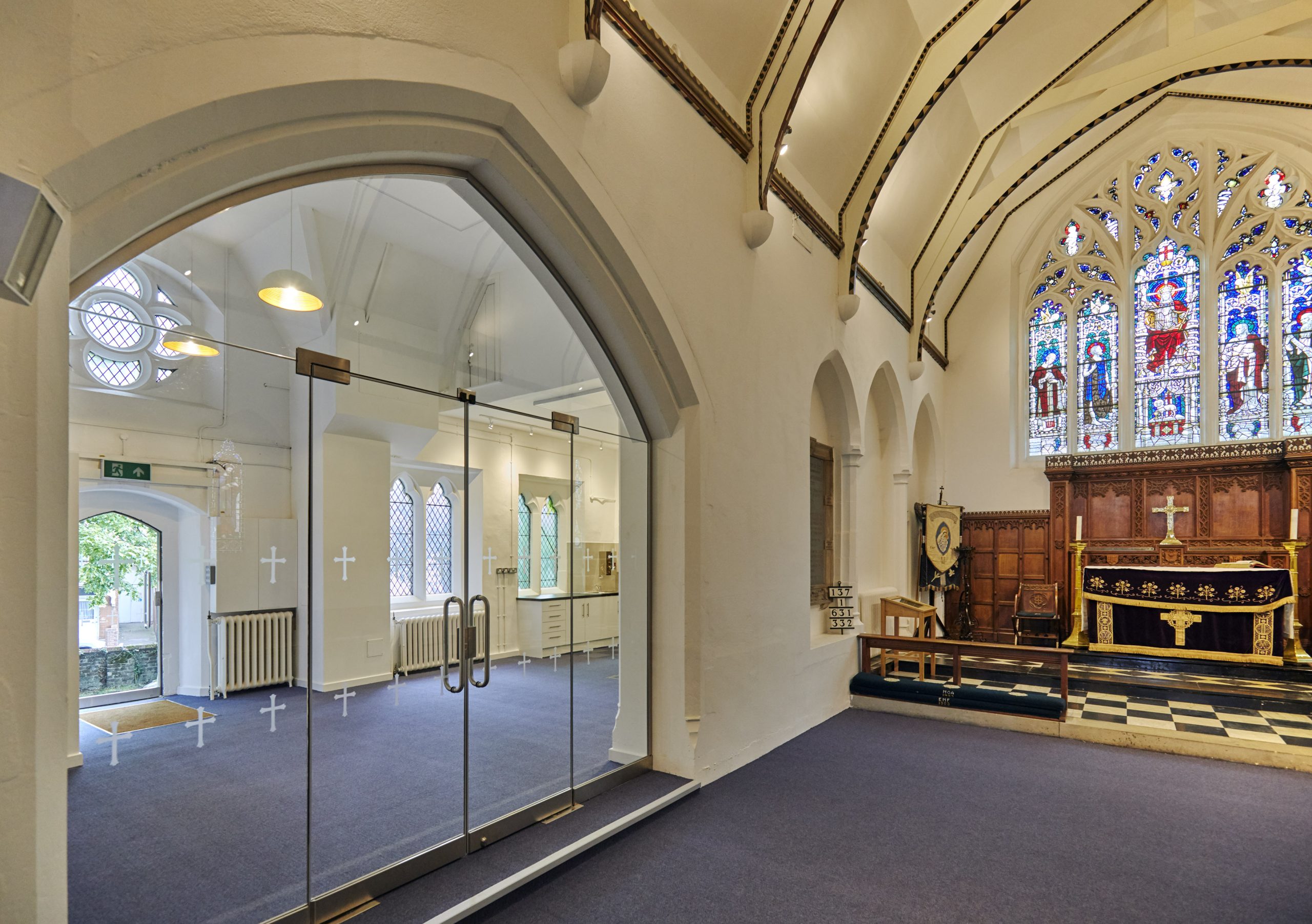
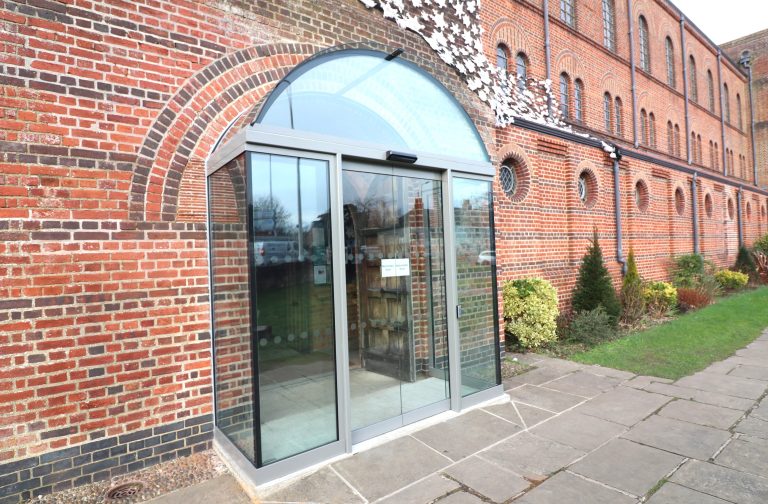
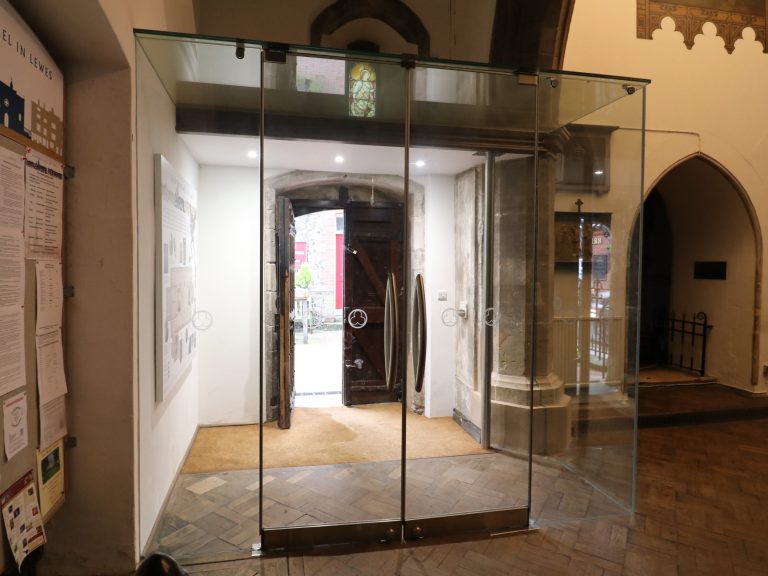
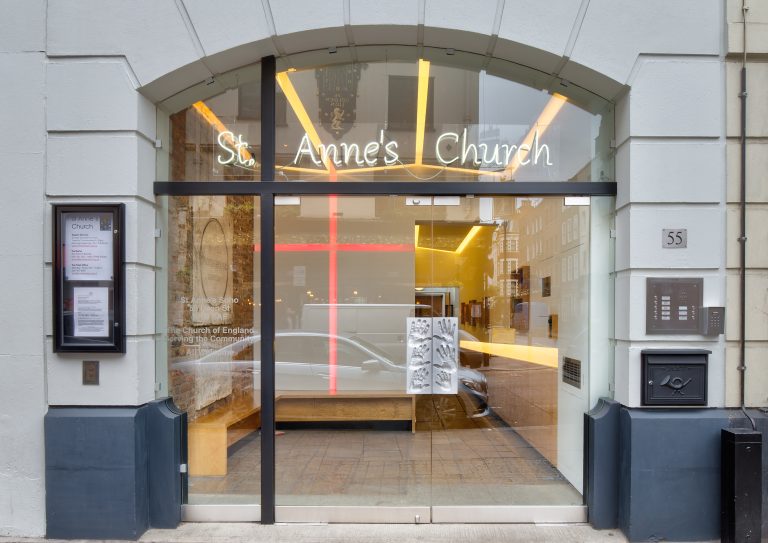
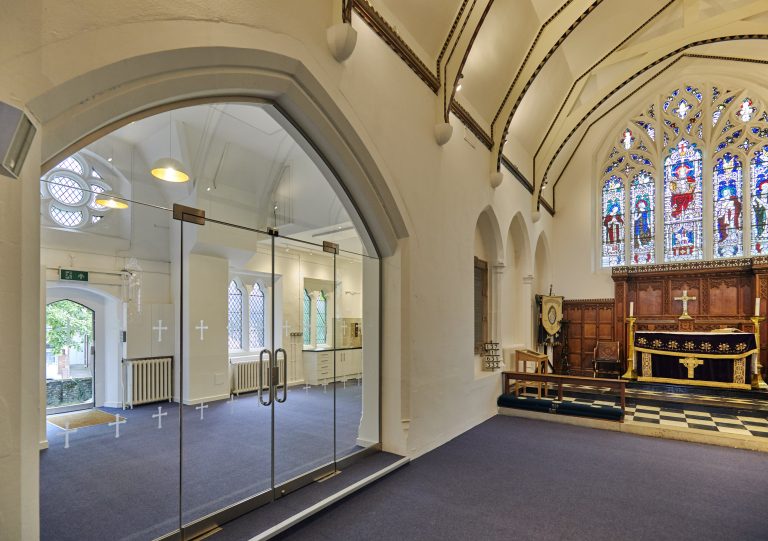
Structural Glazed Screens, Frameless Glass Doors
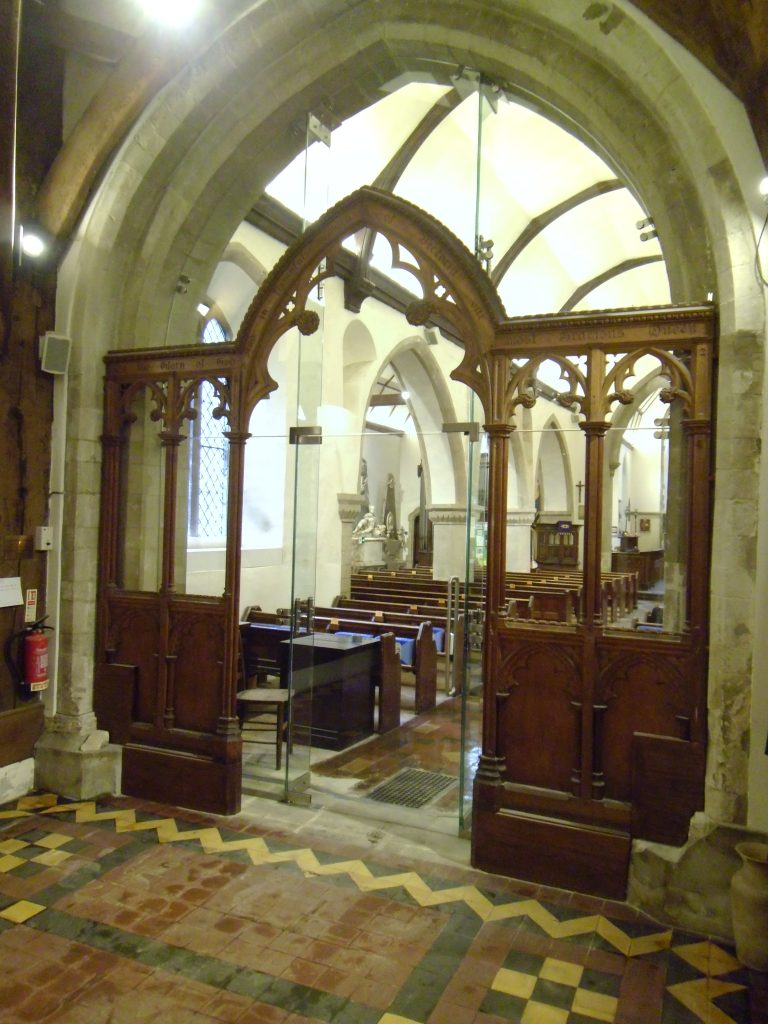
“The high, wide arch across the width of St Mary’s made this a challenging project to design and install in frameless glass. The church is delighted with the result, which not only looks impressive but fully meets the needs of this vibrant and active community. “We are delighted with the transformation – thank you for everything that you have done here at St Mary’s. I will have no hesitation in recommending you to other churches. It not only looks impressive but fully meets the needs of this vibrant and active community